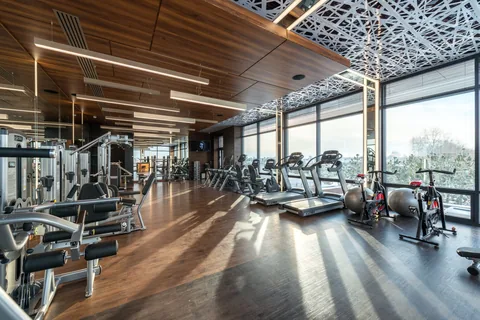
Gym orientation
Your first gym visit can be an orientation
You do not need to turn an unfamiliar room into a complete workout on day one. Learn how the place works, find the people who can help and leave with fewer unknowns.
Read articleLOOK SOMETHING UP
You do not need to turn an unfamiliar room into a complete workout on day one. Learn how the place works, find the people who can help and leave with fewer unknowns.
Read article
A few compartments and a smaller supply of useful things beat a bag full of equipment you never unpack.
Read article
A quieter room is useful only if the journey, staffing and opening hours also work for your week.
Read article
Look at the facilities through the visit you would actually make, from arriving at the door to getting home afterwards.
Read article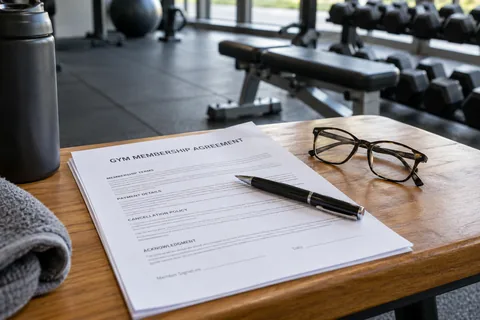
The monthly figure is only one part of a membership. Check the access, commitment and exit procedure as one agreement.
Read article
Work out the lock, storage rules and changing-room arrangement before leaving your belongings behind.
Read article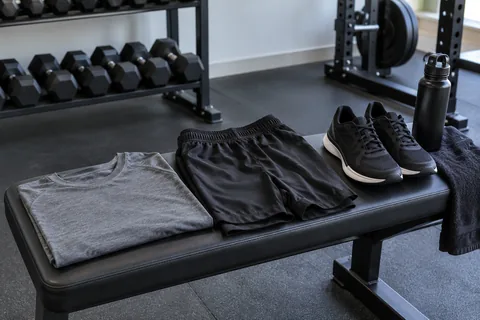
Choose clothes for the movements, equipment and changing arrangements you expect, then adjust after wearing them.
Read article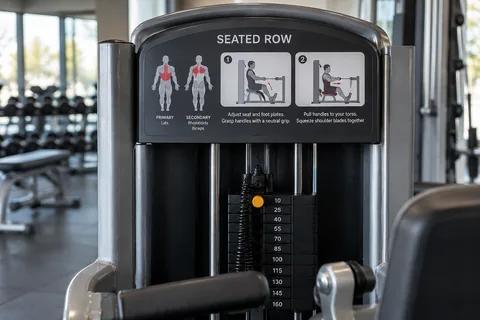
An instruction panel can identify the machine and its controls, but it cannot check your individual setup.
Read article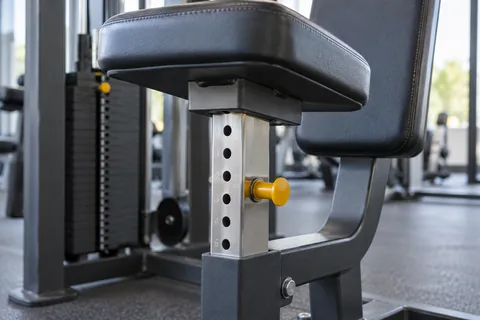
A short equipment note can save repeated guesswork, provided it identifies the exact machine and adjustment.
Read article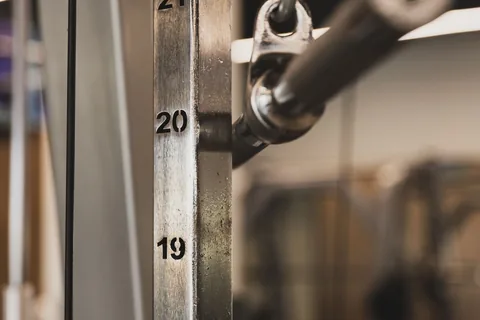
Read the unit, selector and machine instructions before treating a printed number as a training comparison.
Read article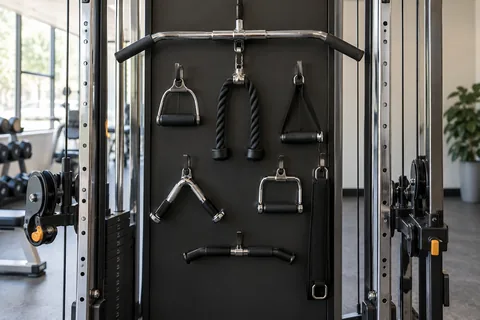
A cable station brings several adjustable parts together. Learn one complete setup before exploring its attachment collection.
Read article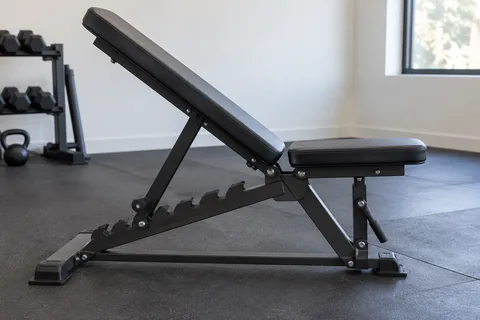
The adjustment mechanism is part of using a bench. Learn it before placing weights nearby.
Read article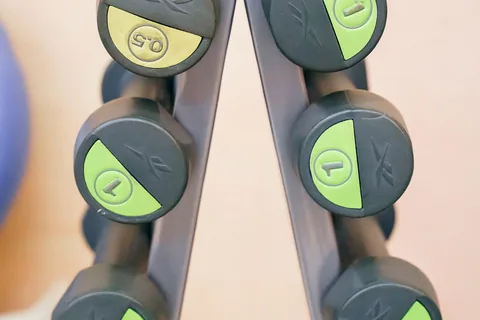
Read the rack, check the pair and leave room for other people to collect their weights.
Read article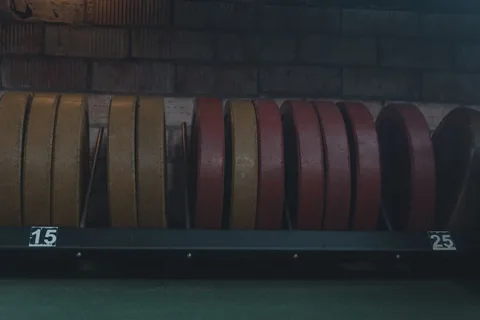
Returning plates is a small shared job, but the right storage position and clear floor matter.
Read article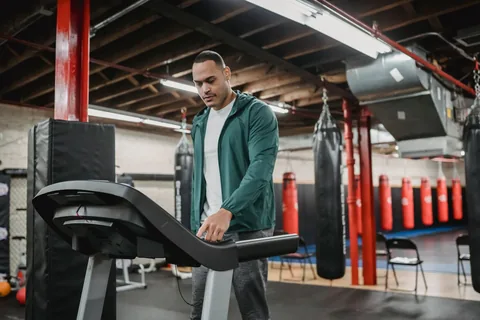
Find the ordinary stop, emergency stop and speed controls with a staff member before using an unfamiliar treadmill.
Read article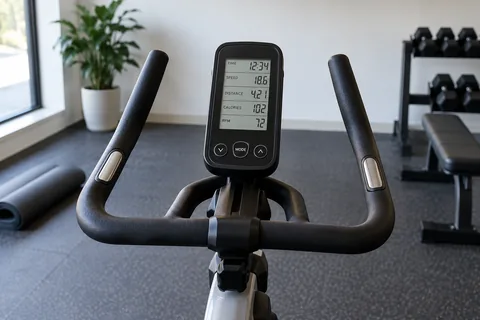
Learn the few controls you need and treat the display as information rather than a target board.
Read article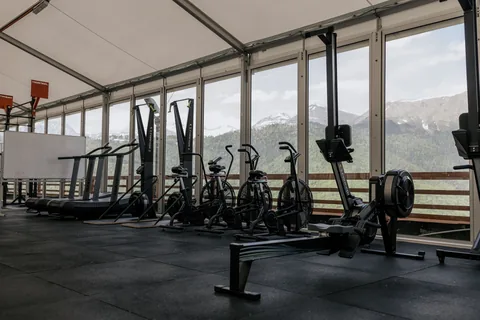
Get the setup and basic operating sequence demonstrated before treating the rowing machine as an obvious seat-and-handle exercise.
Read article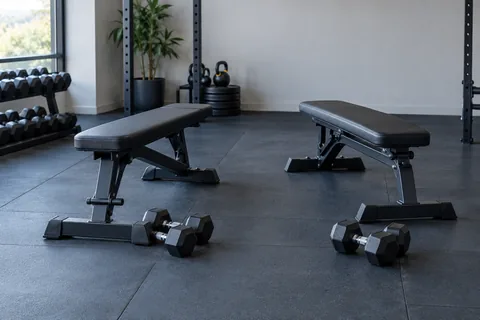
A direct question and a clear agreement usually work better than hovering beside a bench.
Read article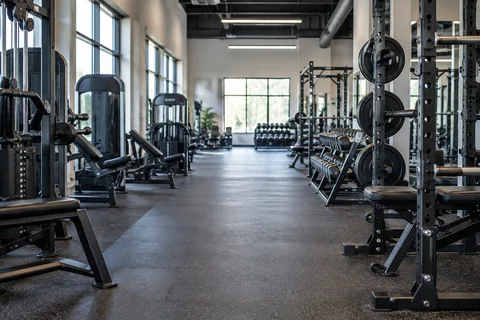
Keep the route clear, use information rather than hovering and know which changes you can make without inventing a new session.
Read article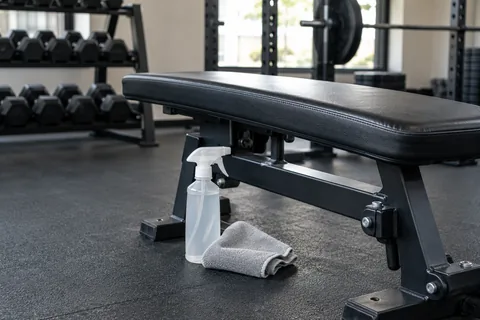
Use the gym's products and procedure, then leave the contact surfaces and surrounding space ready for another person.
Read article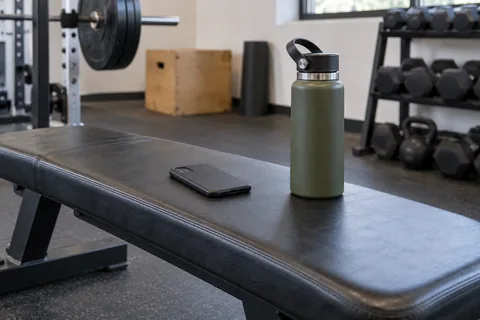
Use your phone without turning a shared training area into a recording space that other people cannot avoid.
Read article
Name the equipment, describe the sticking point and ask for a demonstration you can follow.
Read article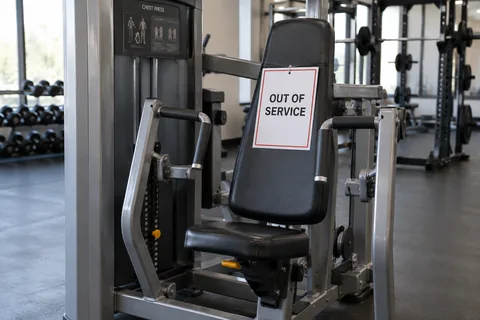
Describe the fault and the location to staff. Testing a suspected problem is not part of your workout.
Read article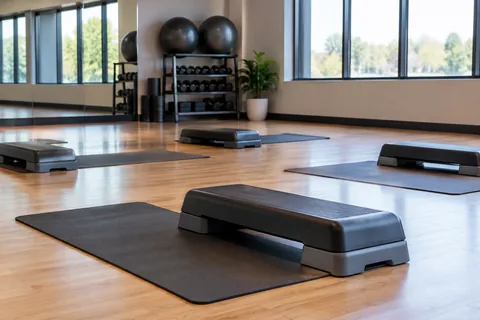
Find out what the class involves, how to enter it and what support is available before the music starts.
Read article
Ask about the whole journey through the facility and the assistance you need, rather than relying on a single accessibility label.
Read article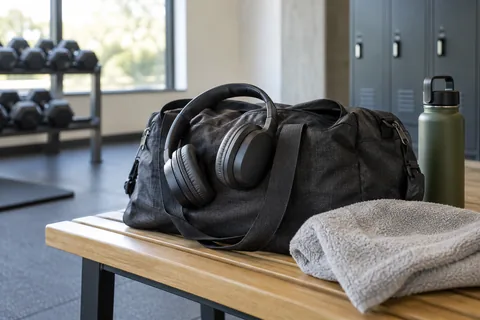
Choose an audio setup that still lets you notice staff instructions, nearby movement and requests to share.
Read article
Your membership may travel between locations, but your knowledge of the building and equipment needs checking again.
Read article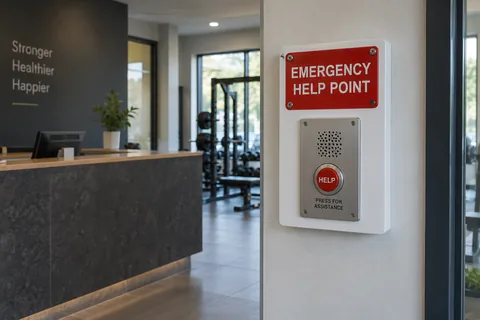
Before attending without a companion, understand the staffing, help points and equipment limits at the time you will use the gym.
Read article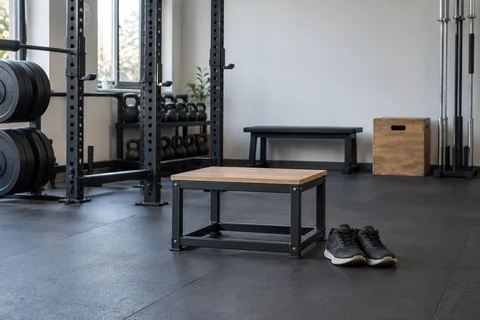
A repeatable squat begins with a stance you can find again, rather than a foot position copied from somebody else's photograph.
Read article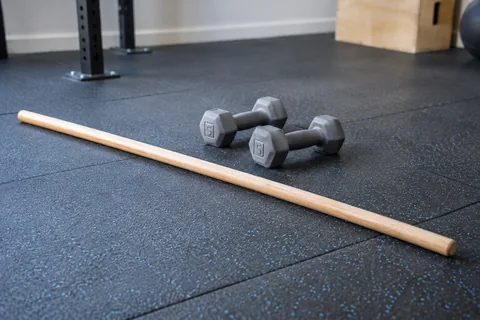
The hip hinge is easier to learn when the first task is moving the hips, not trying to reach a weight on the floor.
Read article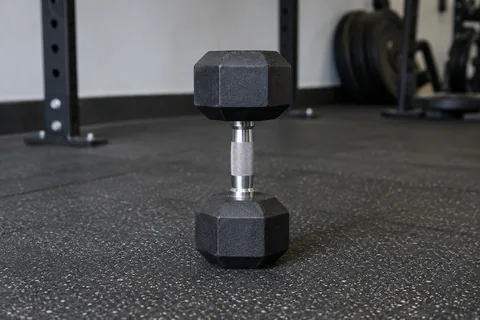
The dumbbell should be easy to hold before it becomes part of a squat. Its shape matters as well as the number printed on it.
Read article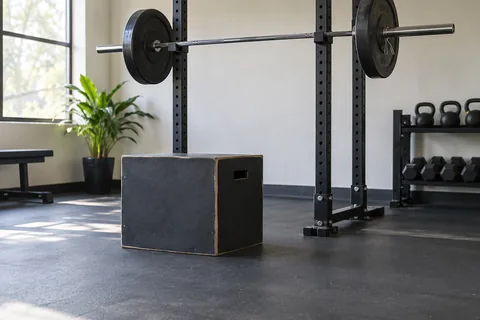
A box can make squat depth easier to recognise, provided it is chosen for the movement rather than used as a target at any cost.
Read article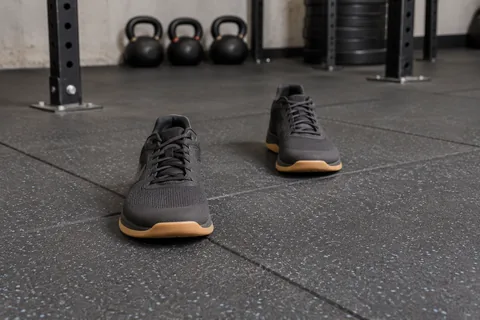
A staggered stance can feel surprisingly unfamiliar. Before adding a lunge, weight or rear-foot elevation, make the standing position understandable.
Read article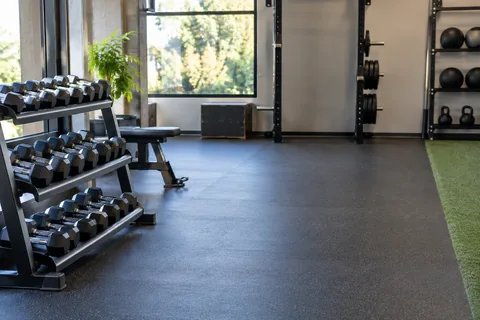
The backward step sets up the rest of a reverse lunge. Slowing that transition can make the exercise easier to understand.
Read article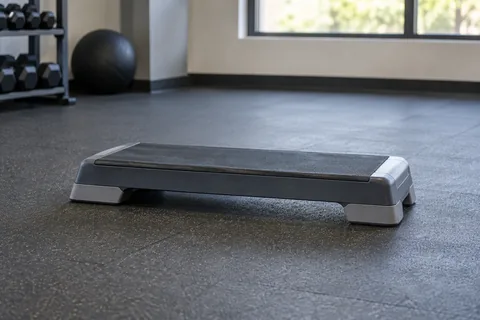
A step-up starts with the platform. Choose its height for a controlled ascent and descent, not for the size that happens to be free.
Read article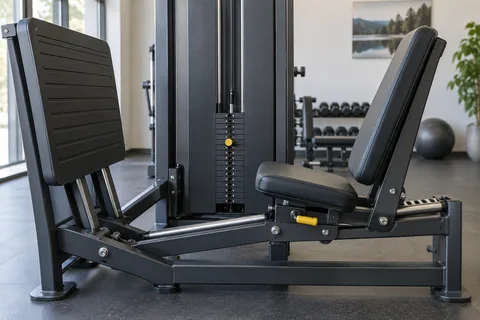
Leg presses share a name but not a single setup. A seated weight-stack machine, an angled sled and a plate-loaded lever each need their own introduction.
Read article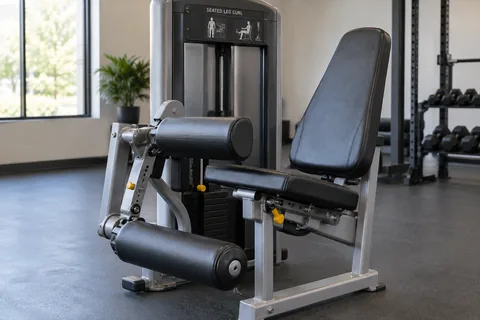
The seated leg curl becomes much easier to follow when the seat, thigh restraint and lower roller are set in the right order.
Read article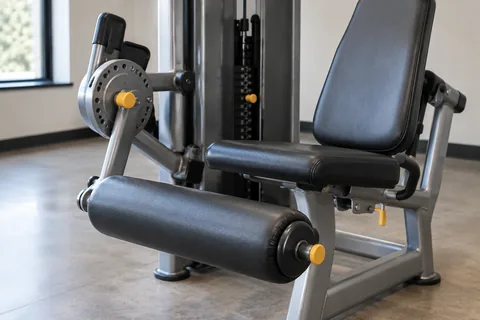
On a leg extension machine, the seat and lower pad determine where you meet the resistance. Set them before focusing on the stack.
Read article
A calf raise does not need a ledge or heavy load to be worth learning. Level ground makes the first version easier to control.
Read article
Small dumbbells sit close to the floor. That does not mean the floor must be the starting point for every person learning a dumbbell deadlift.
Read article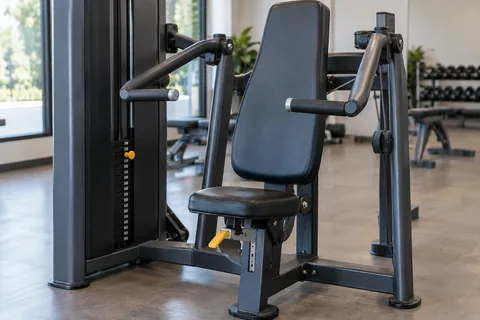
A chest press can feel wrong before the first repetition simply because the seat belongs to the previous user. Reset it for your reach.
Read article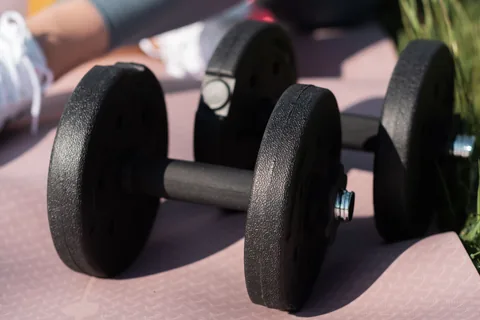
On a floor press, the ground limits how far the upper arms can travel behind the torso. That changes both the repetition and the way you get into position.
Read article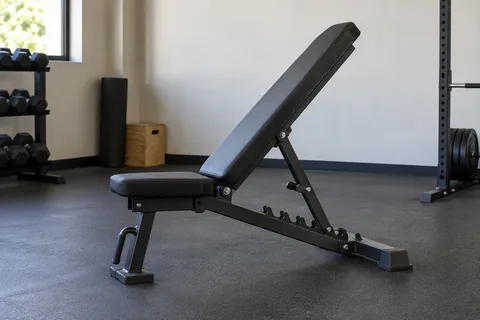
Before picking up dumbbells, make sure the bench is set to the angle you intend and that its support has fully engaged.
Read article
A wall push-up gives you room to learn a pressing movement while standing. The distance from the wall is part of the setup, not a test of ambition.
Read article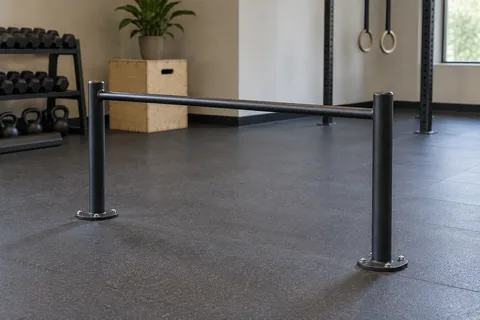
Lowering the hands from a wall to a fixed support changes the demand of a push-up. The support must be secure before the exercise becomes harder.
Read article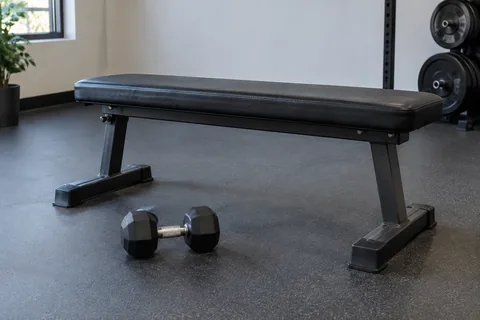
For a supported one-arm row, the bench should remove uncertainty from your stance. It should not introduce a long reach or an awkward twist.
Read article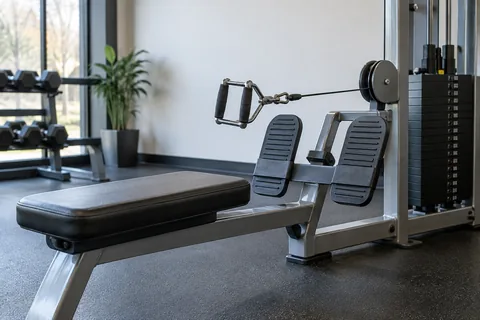
The reach at the beginning of a seated row should feel deliberate. You should not have to slide off the seat to collect the handle.
Read article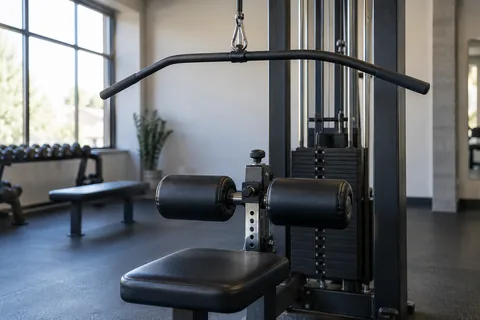
The thigh pad on a lat pulldown is there to help keep you seated. It needs to fit you, not simply match the last person's notch.
Read article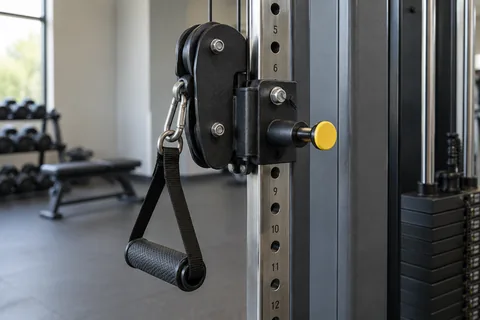
An adjustable cable column changes the direction of resistance when you move the pulley. That makes its height an exercise setting, not a minor detail.
Read article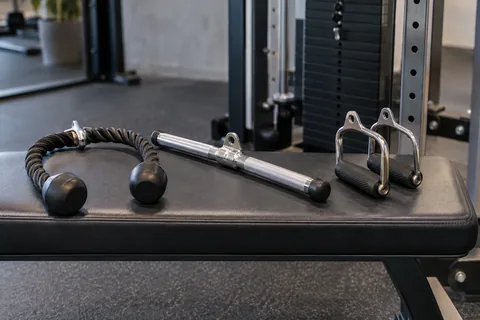
Cable attachments change your grip, reach and clearance. Choose one that suits the movement rather than whichever handle looks most substantial.
Read article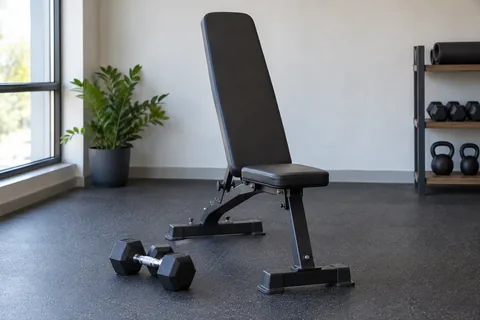
A shoulder press begins before the dumbbells leave the shoulders. The bench, hand position and route into the exercise all affect whether it feels manageable.
Read article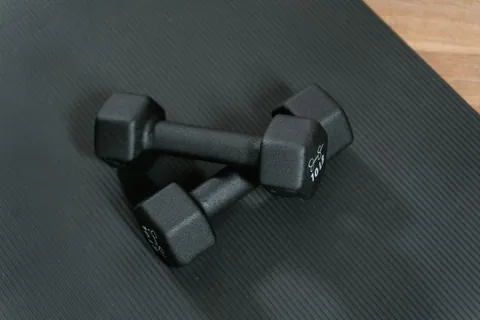
A lateral raise can ask more of a small dumbbell than its size suggests. Begin light enough that you can guide the arms instead of throwing the weights.
Read article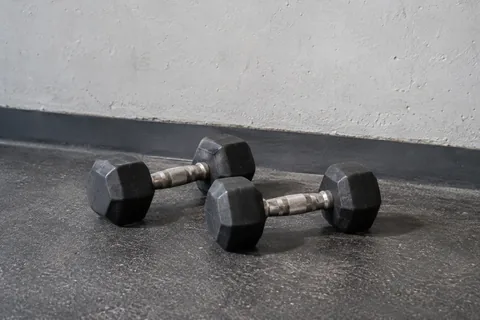
A dumbbell curl is simple enough that small changes are easy to notice. That makes it a useful exercise to practise without rushing.
Read article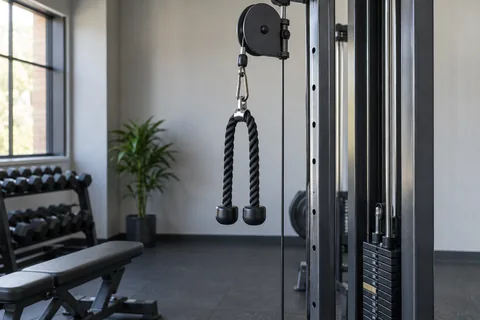
The cable pressdown needs a clear line from a high pulley to your hands. A few setup choices can keep the exercise from turning into a whole-body shove.
Read article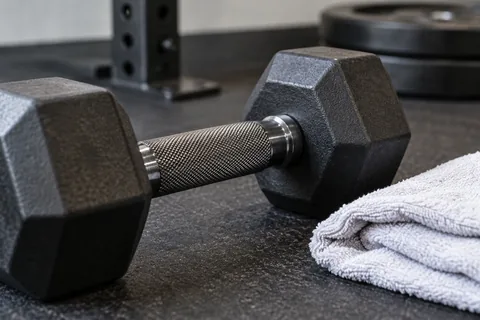
Sometimes the intended exercise is manageable but the handle is not. A grip problem can be about equipment dimensions, surface condition or how the load is being held.
Read article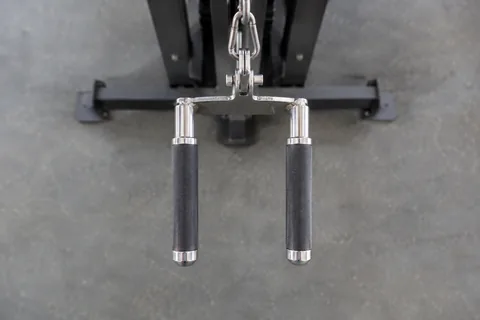
Neutral grip usually means the palms face one another. The term describes hand orientation; it does not identify one particular exercise or guarantee comfort.
Read article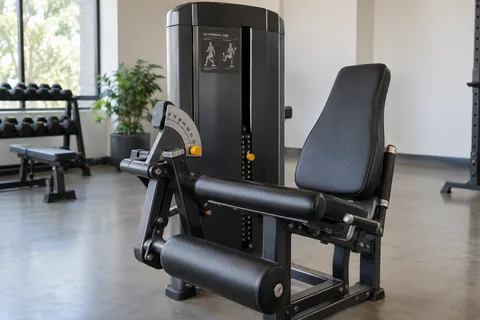
Range of motion is the distance a movement travels. Choosing it well means considering the exercise, your control and the equipment, rather than chasing the largest visible movement.
Read article
The effort of lifting can draw all your attention, leaving the return almost unattended. The lowering half is still part of the repetition.
Read article
For an ordinary beginner strength set, breathing should remain part of the movement. Concentrating hard is not a reason to hold one breath until the set ends.
Read article
Instructions to brace can sound like a request to make the whole body rigid. For a beginner lifting a manageable load, the useful question is simpler: can the trunk stay steady while the limbs move?
Read article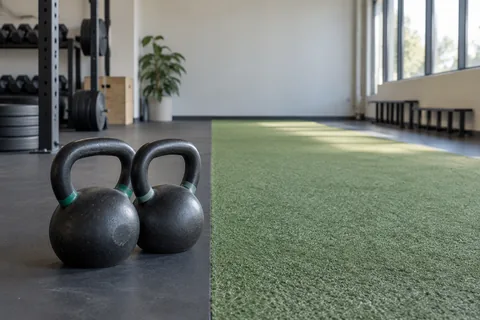
A loaded carry needs a route, not just a pair of weights. Decide where you will turn and set them down before lifting them.
Read article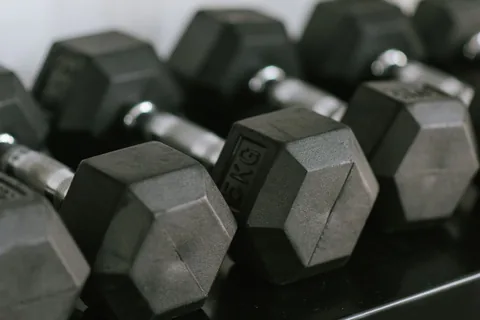
Returning dumbbells is another handling task. Leave enough space and control for it instead of treating the last repetition as the end of everything.
Read article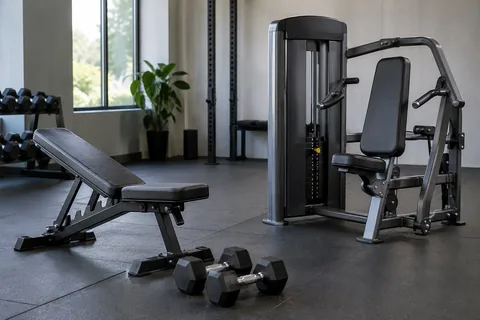
Machines and free weights organise resistance differently. Choosing between them is easier when you ask what the exercise needs, rather than which category is more serious.
Read article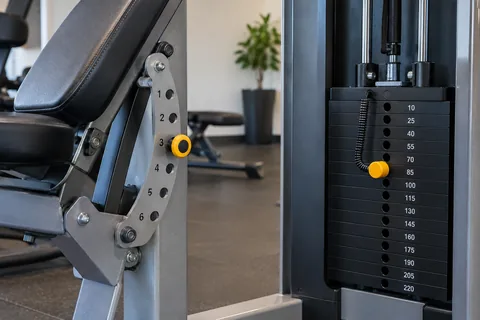
A familiar exercise name can hide a different mechanical arrangement. That is why your usual weight may feel unfamiliar on another machine.
Read article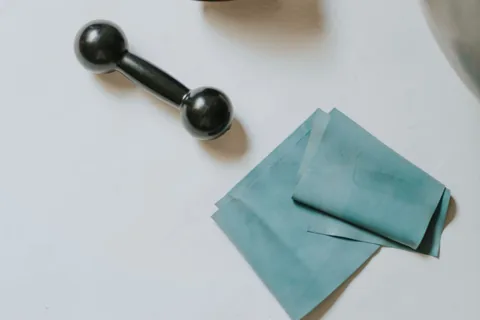
A band takes up almost no storage space. Using it needs a little more thought: sound material, a clear floor and enough room for the whole movement.
Read article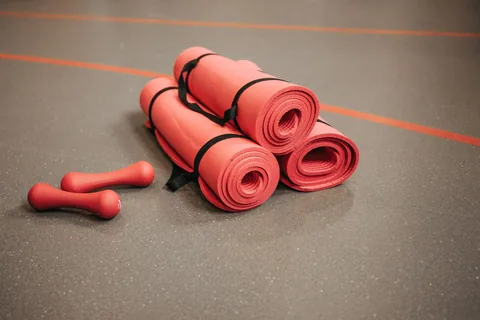
The thickest mat is not automatically the best match for home exercise. Think about what will touch it and what is underneath it.
Read article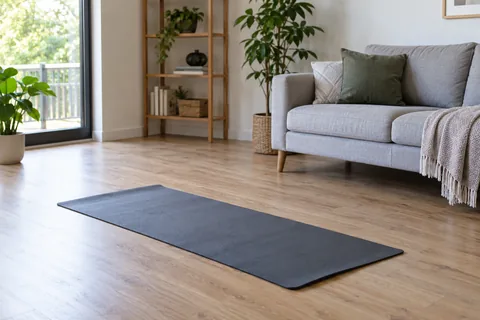
A mat marks a place to begin, but it rarely marks the full space an exercise uses. Test the movement before moving furniture back around it.
Read article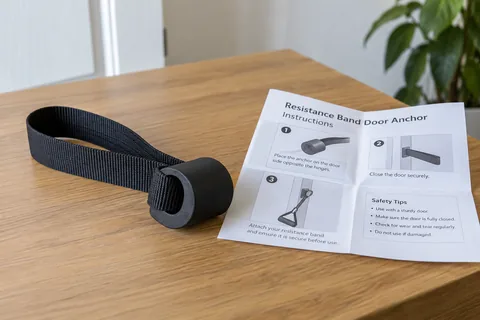
A resistance-band door anchor is a product with installation requirements. It is not permission to attach a band to whichever doorway is nearest.
Read article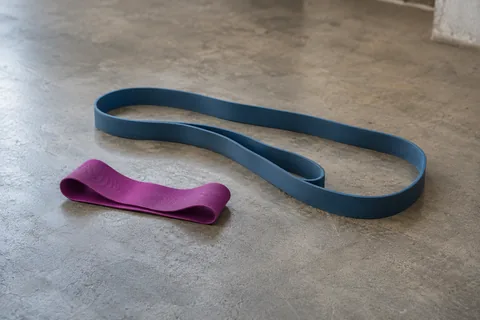
A small loop around the legs and a long loop held in the hands may both be called resistance bands. Their length and construction make them different tools.
Read article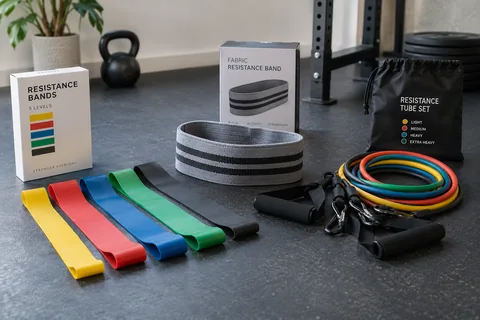
Green, blue and red are useful labels inside a particular product range. They are not a universal conversion chart for resistance bands.
Read article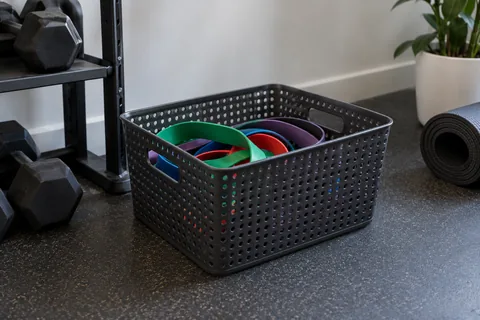
A resistance band is easy to tuck into any spare drawer. Give it a place that keeps it visible, dry and away from objects that can damage it.
Read article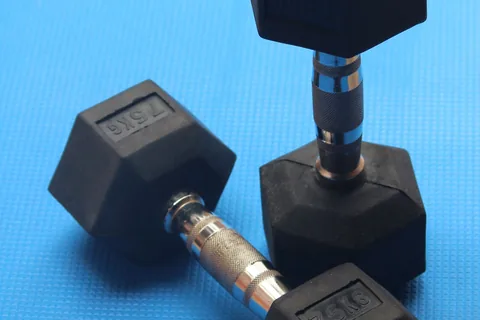
The first pair of home dumbbells should suit exercises you can already perform and a place where you can keep them. A large maximum weight is only one part of the purchase.
Read article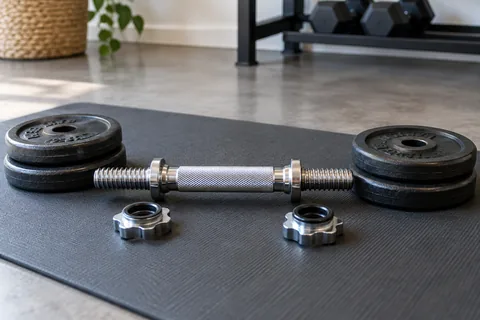
Adjustable dumbbells use different systems to retain their plates. Learn the checks for your model rather than relying on a generic shake test.
Read article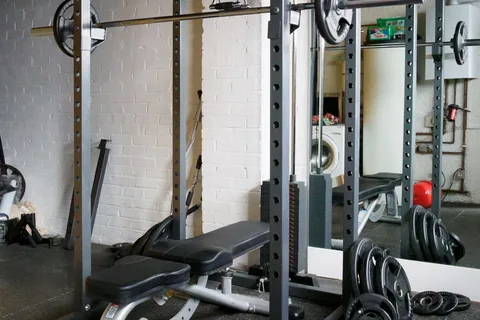
A bench's listed dimensions describe the bench. Your exercise also needs room for your feet, arms, weights and the route into position.
Read article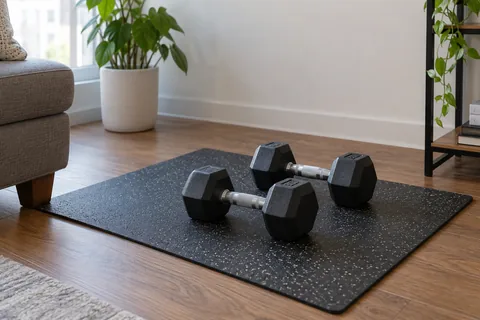
Quieter home strength exercise begins with how equipment meets the floor. A mat can help with contact, but it cannot promise silence through a building.
Read article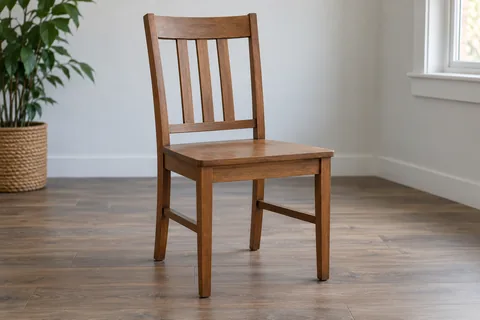
A chair may be useful for some specifically taught exercises, but it is not automatically a substitute for a bench, step or fixed rail.
Read article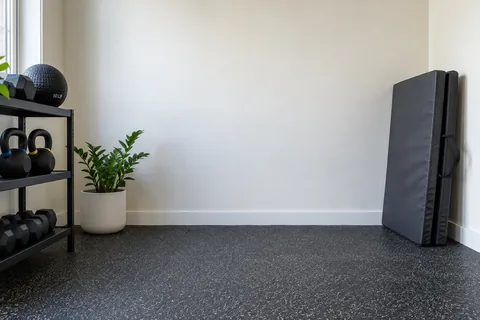
A clear wall can support simple standing practice, but the floor and nearby furniture still determine whether the corner is usable.
Read article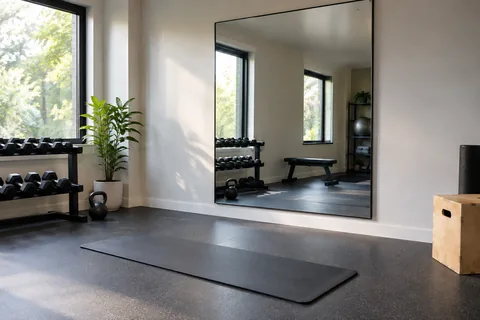
A mirror can show a setup, but it should not make you twist out of that setup to watch yourself. Place it for the task you want to check.
Read article
A short recording can help you remember how a practice set looked. Set the camera before starting so the screen does not become another moving target.
Read article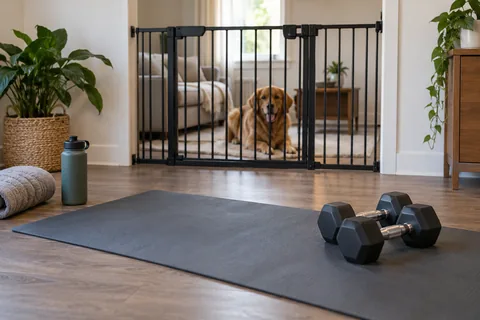
An animal that ignores the mat at the start can enter the moving area halfway through a set. Arrange separation before the weights are in your hands.
Read article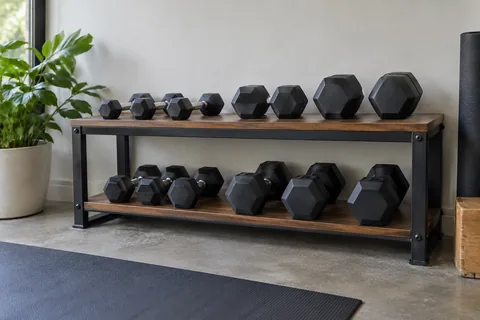
Home weights need a storage place that can support them and keep them from rolling into a route through the room. Appearance comes after those requirements.
Read article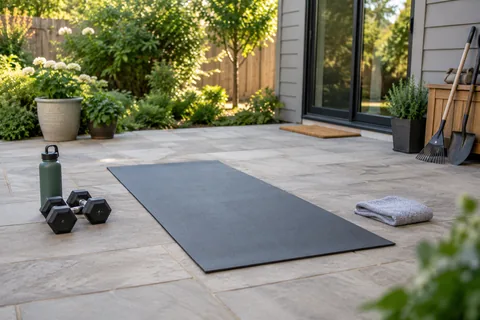
A patio can offer more room than a living room, but it needs a fresh check each time. Weather and loose debris can change the surface overnight.
Read article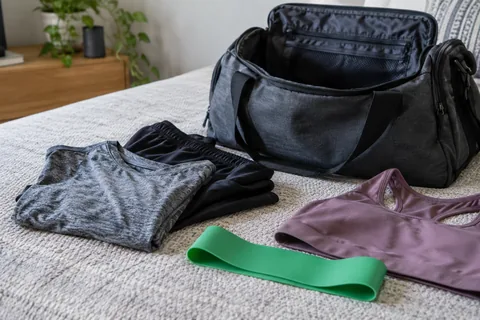
A resistance band is compact luggage, but your destination still needs a suitable setup. Pack a tool you know how to use rather than a promise of a workout anywhere.
Read article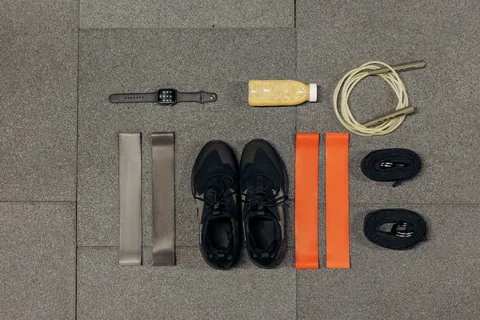
A small home kit works best when every item has a job. Begin with the exercises you can perform, then choose equipment that makes those exercises possible in your room.
Read article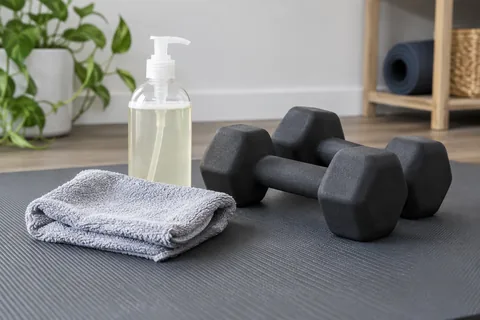
Cleaning home exercise equipment starts with identifying its material. A method that suits a metal handle may be wrong for a rubber band, fabric cover or foam mat.
Read article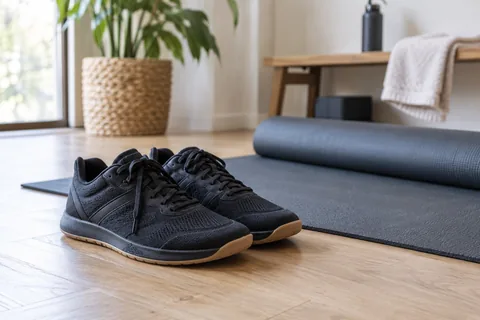
What works on a studio floor may not work on polished wood, carpet or a patio. Choose footwear for the surface and exercise rather than treating barefoot training as a universal upgrade.
Read article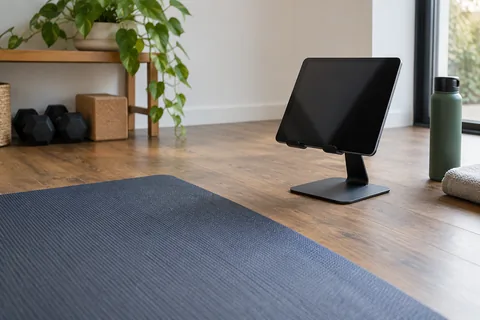
A workout screen should be easy to consult between movements and easy to ignore while you perform them. Its position can make that distinction much simpler.
Read article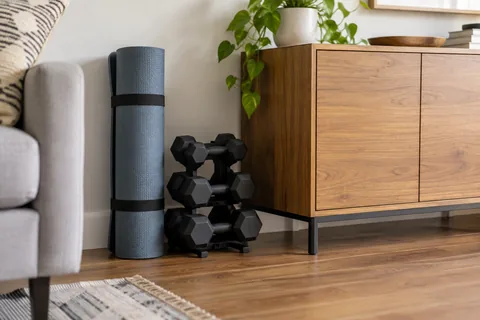
Putting the room back is part of using shared space for exercise. A short, predictable order keeps equipment out of the next person's path.
Read article
A workable training week begins with the commitments already in it. Build the appointments around real time, travel and equipment access.
Read article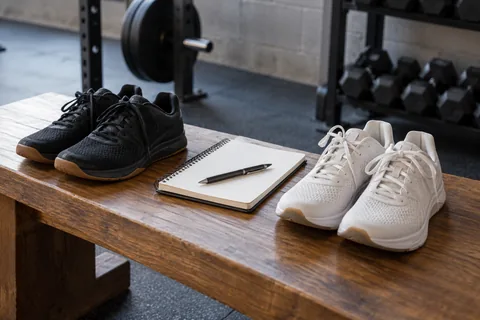
Two weekly strength appointments can be a meaningful structure. The useful question is what those appointments contain and whether they can be kept.
Read article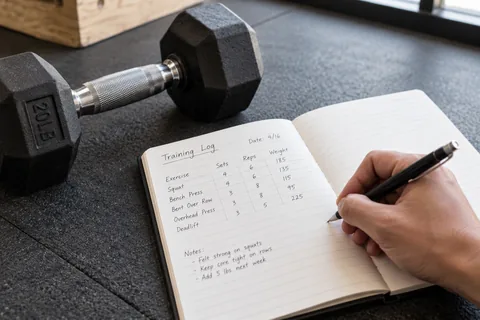
Record enough to repeat the session and understand what happened. Most beginners do not need a page of measurements for every set.
Read article
The first month can establish equipment knowledge, a recording habit and a workable schedule. It does not need to prove every long-term ambition immediately.
Read article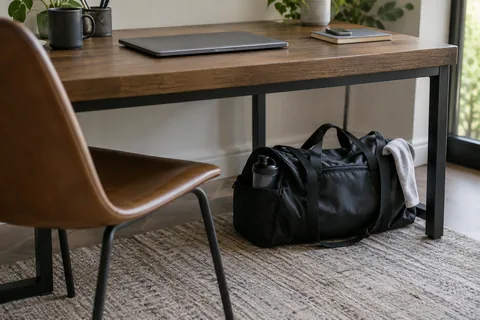
A missed workout changes the calendar. It does not create a debt that has to be repaid the next morning.
Read article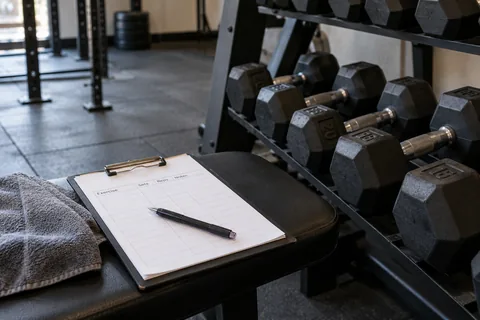
Exercise order affects what you are fresh enough to practise and what happens when time runs short.
Read article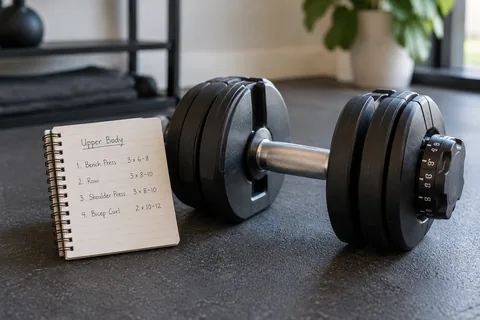
A range such as eight to twelve gives boundaries. It still needs instructions about effort, technique and when to change the load.
Read article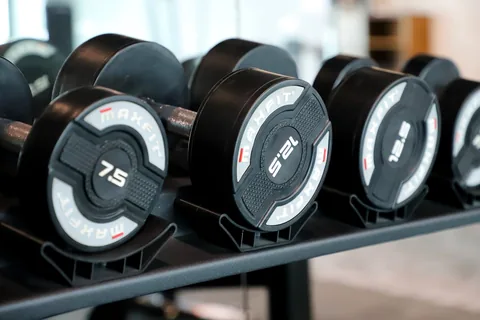
A useful weight entry says what was loaded, on which equipment, and whether the figure describes one hand or the whole exercise.
Read article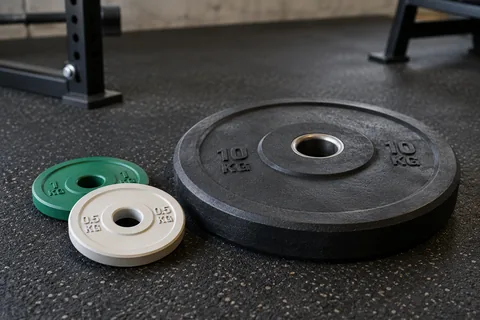
The next dumbbell on the rack may represent a sizeable change. Understand the available steps before treating every session as an instruction to move up.
Read article
Repeating familiar exercises gives you something solid to compare. Variety does not need to mean replacing the whole workout every visit.
Read article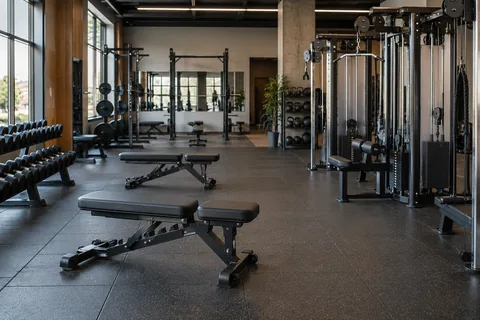
Full-body and split routines organise a week's work differently. Their names tell you less than the number of appointments and the work assigned to each one.
Read article
A shorter workout needs a smaller scope. Trying to fit the full session into half the time usually changes more than the clock.
Read article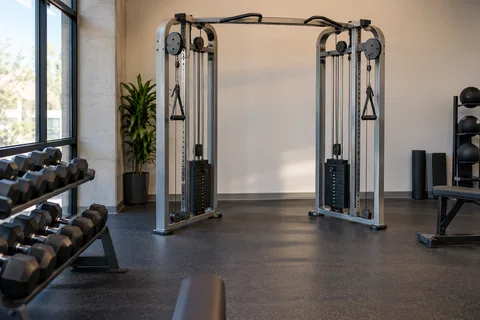
An occupied machine is a routine gym problem. A small amount of planning keeps it from becoming an improvised workout.
Read article
If everything changes together, the training log cannot tell you which change mattered.
Read article
The load column is useful, but it cannot describe everything that improves as you learn to train.
Read article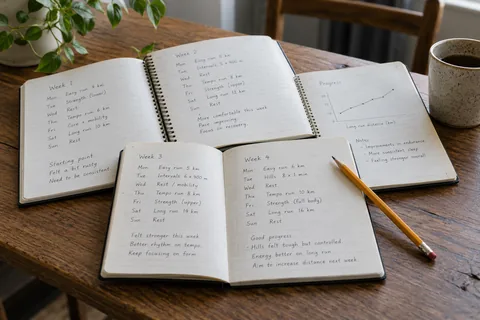
Several weeks of entries can show a pattern that a single good or bad session cannot. Start by checking whether the entries describe comparable work.
Read article
An exercise name should lead you back to the same movement and equipment, without a guessing game beside the rack.
Read article
Putting aerobic activity and strength training in the same week is partly a scheduling problem. Begin with your available time and the purpose of each appointment.
Read article
A changing rota needs a planning method that can move. Fixed weekday labels may be less useful than a clear sequence and realistic appointment windows.
Read article
Two people can share an appointment without following identical exercises, loads or rest periods.
Read article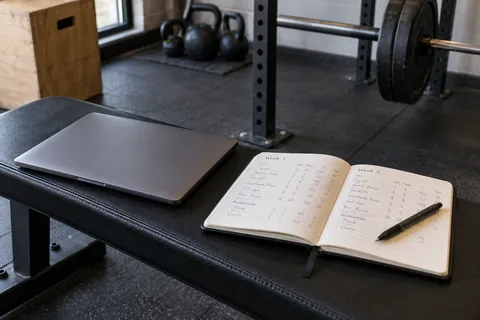
A new plan can be useful. First identify what it is meant to fix in the one you already have.
Read article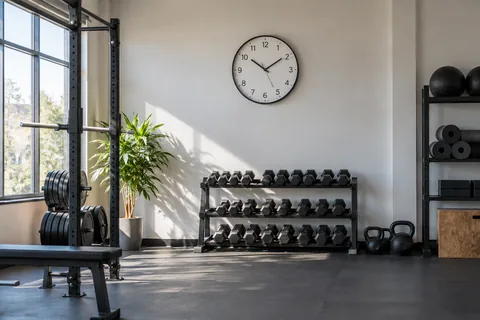
The minutes spent lifting are only part of a gym visit. Set-up, rests and the walk between stations also belong in the estimate.
Read article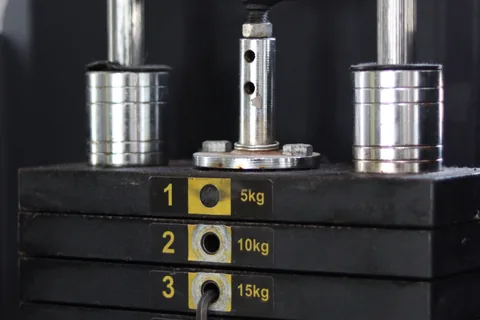
The number on a weight stack identifies a setting on that machine. It is not a common scoring system for every machine in the gym.
Read article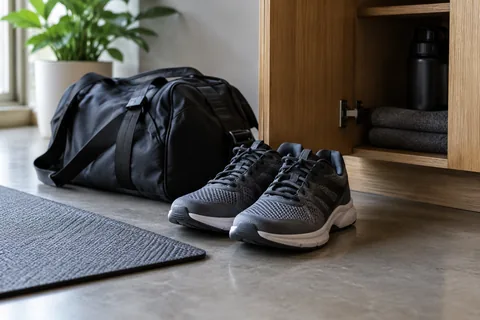
After time away, the old programme is useful history. It is not automatically an instruction to repeat the last recorded session.
Read article
A training goal becomes more useful when it tells you what to practise, what to record and when to review the arrangement.
Read article
An unchanged number can mean several things. Check the record, the task and the programme before deciding what should change.
Read article
Choose the recording method you will use between sets, not the one with the longest feature list.
Read article
If you only schedule workouts, the rest of the week can look like unused space. Give non-training days a clear place too.
Read article
A little preparation can keep a late workout from turning the rest of the evening into a series of unfinished jobs.
Read article
Start with the room you have. A useful sleep-space adjustment should solve a real disturbance rather than add another product to buy.
Read article
An evening gym appointment may be the only available one. Look at the whole journey from leaving work to getting to bed before deciding how it should fit.
Read article
A walk can be a change of scene on a day without gym training. It does not need a pace target to justify its place.
Read article
A long journey occupies more than the hours printed on a ticket. Leave room for the uncertain parts before adding a training appointment.
Read article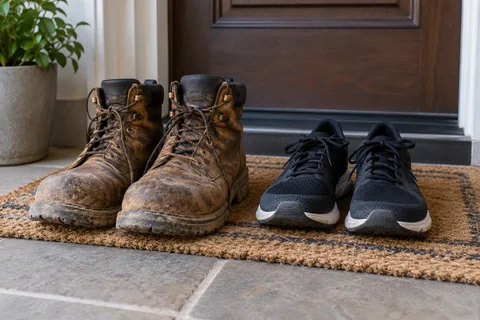
Lifting at work, standing for long shifts and carrying equipment belong in the context of a training week, even when no fitness app records them.
Read article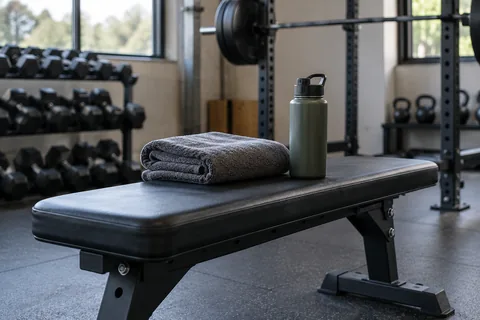
How sore you feel after a workout does not tell you, by itself, how useful the session was. Keep the completed work and the way you feel in separate parts of the record.
Read article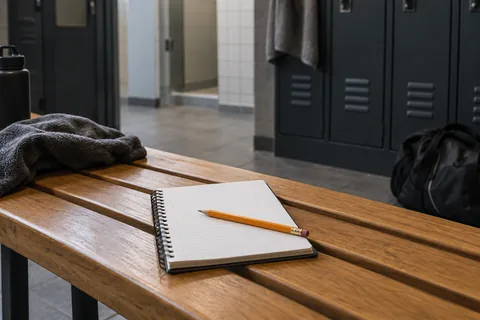
An unexpectedly hard workout is worth describing accurately. One difficult day does not explain its own cause.
Read article
Two free days can hold a lot of life. They do not have to absorb every training appointment that the working week displaced.
Read article
A routine is easier to live with when birthdays, visits and ordinary evenings with friends can fit around it.
Read article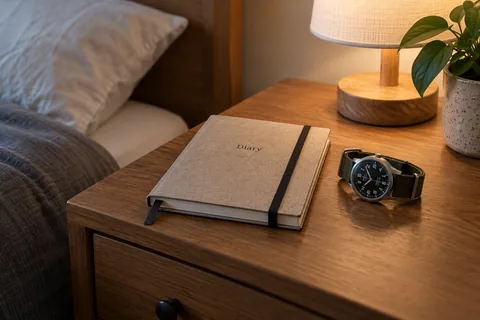
A few observations can give training context. Collecting every available score may add work without making the next decision clearer.
Read article
A lighter week is a planned reduction in training demands. The term alone does not tell you how much to change or whether you need one.
Read article
A day without a workout can feel strangely unfinished when tracking tools reward an unbroken line. The display is not the whole plan.
Read article
A sleep routine needs room in the day before it can become a habit. Begin with the schedule, then choose a few changes that fit your household.
Read article
A new hobby can add effort to a week even when it does not look like a gym workout. Put it on the same calendar.
Read article
Preparing for the next visit begins with the bag you brought home. Keep the reset small enough to finish.
Read article
The first week home often includes unpacking, work and a different sleep schedule. Resume the routine with those facts in view.
Read article
A coach can use specific observations more readily than a broad report that you feel unfit or that the programme is impossible.
Read article
Training videos can be useful during the day and still be the wrong task to start when you meant to go to sleep.
Read article
Changes in daylight, weather and daily commitments can make an old appointment less convenient. Adjust the routine before the same obstacle becomes a weekly surprise.
Read article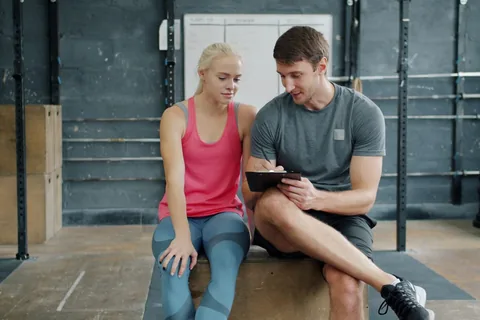
Use the meeting to establish the service, your priorities and the way you will work together before buying a long package.
Read article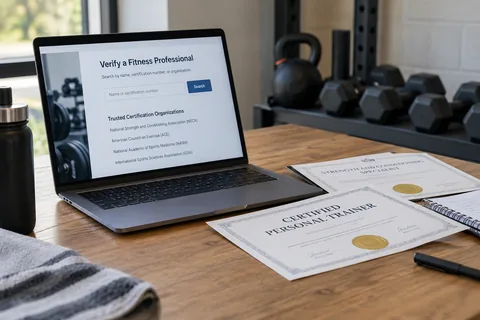
Ask for the exact qualification and check it with its issuer, then consider whether the experience matches the help you want.
Read article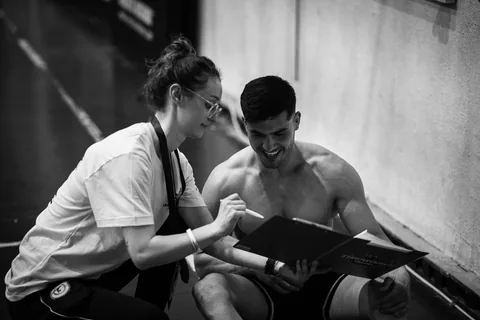
Use an early session to notice whether explanations become clearer, questions are welcome and feedback is usable.
Read article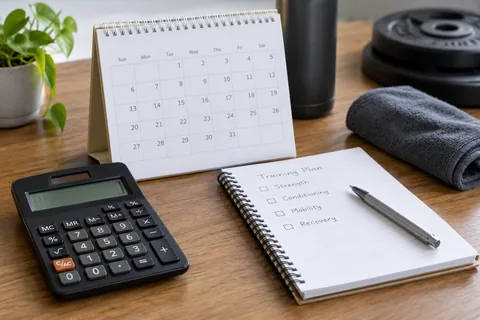
Compare the whole service over a period you can realistically attend, including entry fees, support and package conditions.
Read article
Treat a trial as a chance to examine the working arrangement, not a performance you have to pass.
Read article
Describe the situations you want help with, including what would make sessions more usable for you.
Read article
You can ask for verbal explanations or demonstrations instead of hands-on cues, and change your preference later.
Read article
Describe the moment you lost the explanation and ask for one change you can test in the next session.
Read article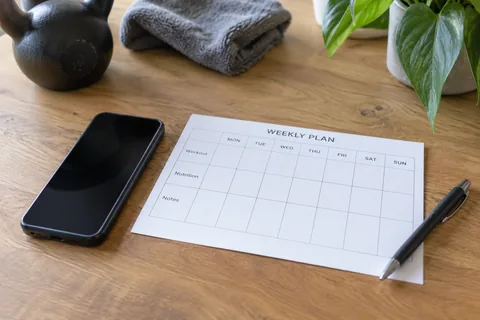
Agree on the channel, response window and type of questions included before relying on messages for support.
Read article
The decision is about attention, teaching format and the questions you need answered, not simply the number of people in the room.
Read article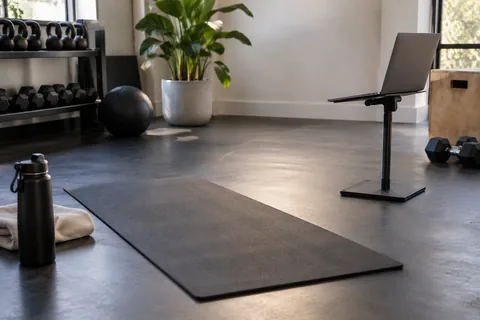
Live video, written programming and recorded feedback are different services. Establish which one you are buying and what it can observe.
Read article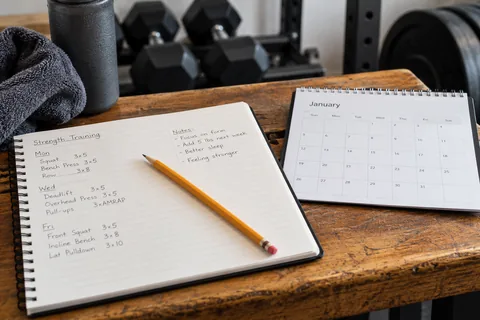
Bring examples of what has become easier to understand and what still gets in the way of using your training.
Read article
A training session can focus on skills and agreed goals without commentary on how your body looks.
Read article
A trainer can help with exercise instruction while recognising that some questions belong with a different professional.
Read article
Carry forward the useful information without feeling that you need to defend the decision to move on.
Read article
Use the final appointment to clarify what you have learned, what records you need and whether any support continues.
Read articleNo matches. Try another word or select all subjects.