Start with the parts you need to adjust
A rowing machine can look simpler than it is. Ask an instructor familiar with the model to show the foot supports, straps, seat travel and handle storage. Learn how to get on and off without allowing the sliding seat to surprise you. Check that there is clear space around the equipment and that your clothing will not catch in moving parts.
The foot position and fastening arrangement should be explained on the actual machine. Do not simply copy the person who used it before you. If a strap is damaged or a part does not hold its setting, report it rather than making a temporary knot or other repair.
Ask for an introduction to the movement itself from a suitable instructor. A written description of the controls does not check the way you are rowing. If several instructions arrive at once, ask to work through them more slowly instead of increasing effort while still unsure of the sequence.
The damper is not a difficulty badge
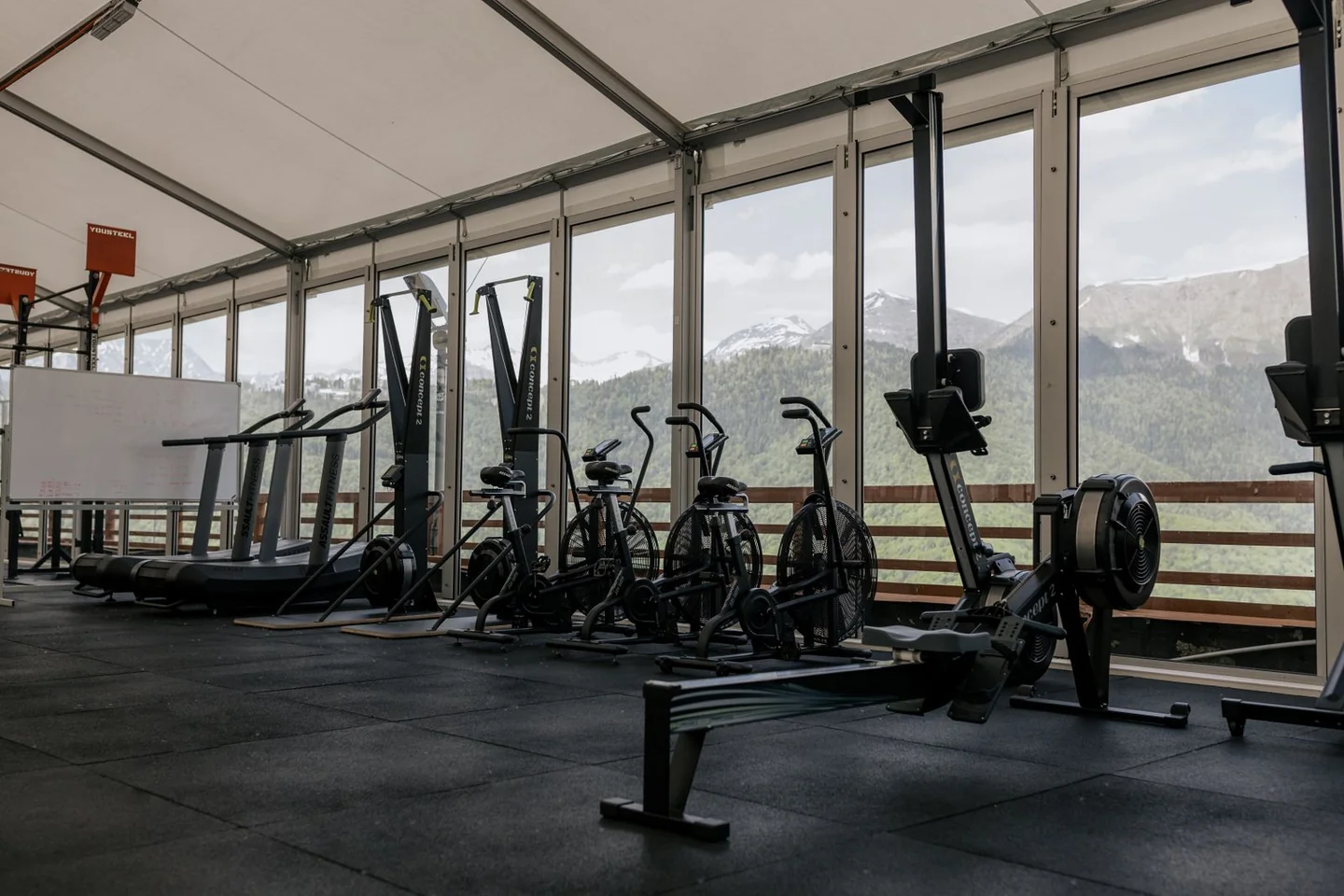
On a Concept2 air rower, the damper changes airflow into the flywheel housing and affects the feel of the stroke. Concept2 explains that it is not simply a resistance or intensity setting. Moving it to the highest number is therefore not a way to prove that you are taking the session seriously.
Other rowing machines use different systems, so ask what the control does on the one in front of you. A water, magnetic or air machine may not share the same adjustment scale. Record the model if you keep notes, and avoid comparing settings across unrelated equipment as though they were interchangeable.
The monitor can display pace, time, distance, stroke rate and other information. Ask which display is useful for the task you are learning. More numbers are not necessarily more guidance. You can leave advanced programmes alone until you understand the basic operating mode.
Learn where the handle belongs at the end and how to release your feet before standing. Follow the manufacturer's and gym's instructions for leaving the machine ready for another user. Do not let a handle snap back or step across a moving seat because you are trying to leave quickly.
If you need to move the machine, ask staff. Some models separate, fold or stand for storage, but that does not mean a member should work out the process during a session. A useful first introduction covers ordinary use and the boundaries of what you should adjust. You can return to the monitor's training features once those basics are familiar.