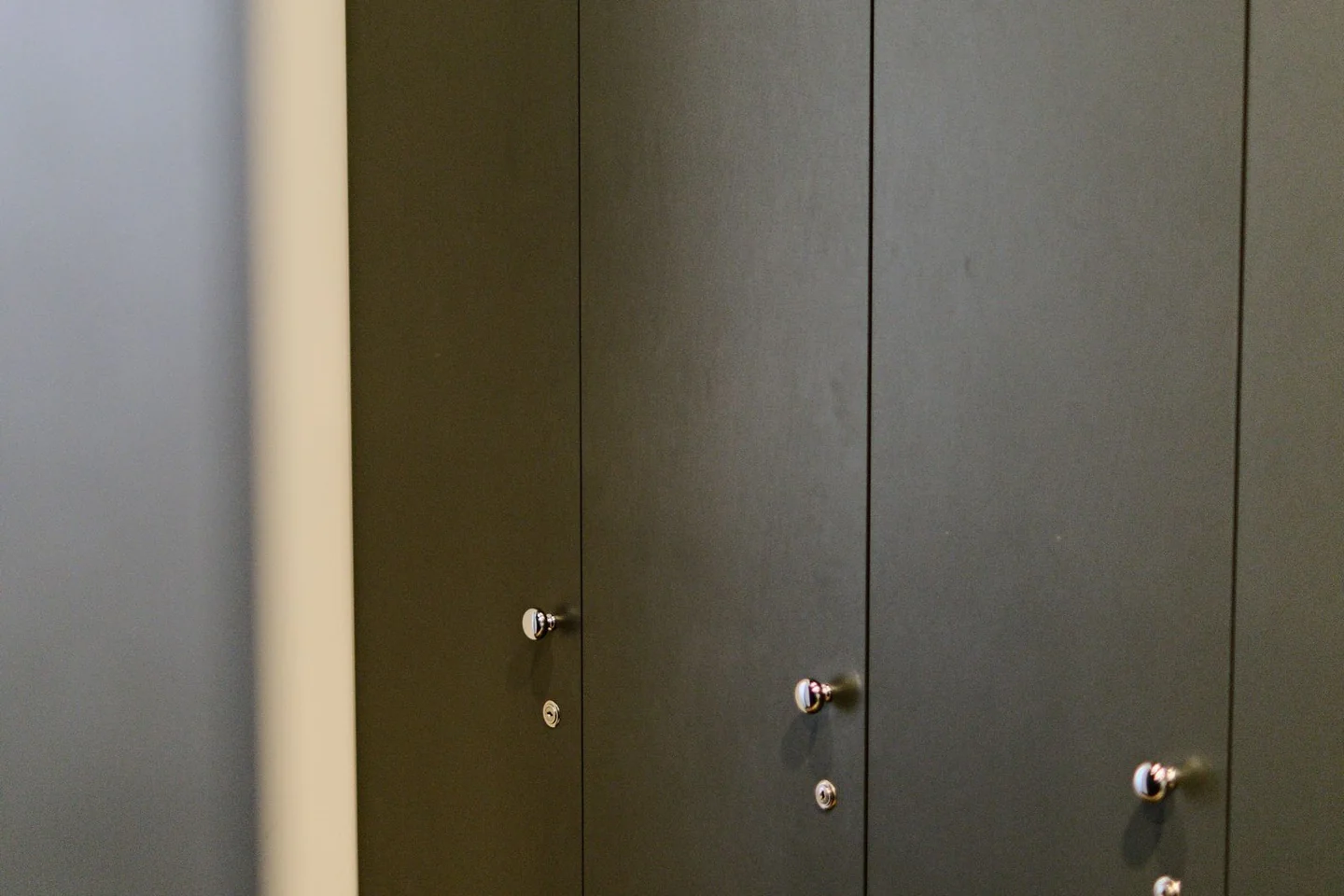
Test it while the door is open
A locker can use a personal padlock, a token, a coin or an electronic code. Ask reception which system is fitted before changing. Buying a lock at the last minute is avoidable, and a coin-operated door does not necessarily accept the coin you happen to carry. Locker sizes and rental arrangements can also vary within the same building.
With nothing inside, read the instructions and try the mechanism. For a code lock, check whether you create a new code each visit or have been assigned one. Make sure you know how to reopen the door. If the latch is loose, the keypad is unresponsive or the instructions are missing, choose another locker and tell staff.
Place belongings fully inside rather than trapping a strap in the door. Close and check it before walking away. Remember the locker number separately from its code; knowing the code is not much help in a wall of identical doors. Avoid recording a photograph that includes other people in the changing area.
Have a plan for the key
If the system provides a wristband or key, check how you can keep it with you under the gym's rules. Do not leave it sitting on equipment while moving between stations. A zipped clothing pocket may suit your visit better than trying to balance it alongside a phone and bottle.
If access goes wrong
Find out whether lockers must be emptied after each visit. A locker available for a session is not automatically a permanent place to keep shoes. If you lose access, ask staff for their procedure rather than attempting to force the door. Be ready to describe your belongings and provide whatever identification the centre requests.
At departure, look at the upper shelf, hooks and corners before closing the empty locker. Small jewellery, earbuds and access cards are easy to overlook. Repack in a way that keeps wet clothing separate, and take your own lock if that is how the system works. A minute spent learning the arrangement on the first visit can make every later arrival simpler.