Learn what alone means at this facility
Training without a friend is different from being in an unstaffed building. A gym may have instructors on the floor, staff elsewhere in the complex or remote support during some hours. Ask which arrangement applies to your intended visit. The answer at lunchtime may not describe the service late in the evening.
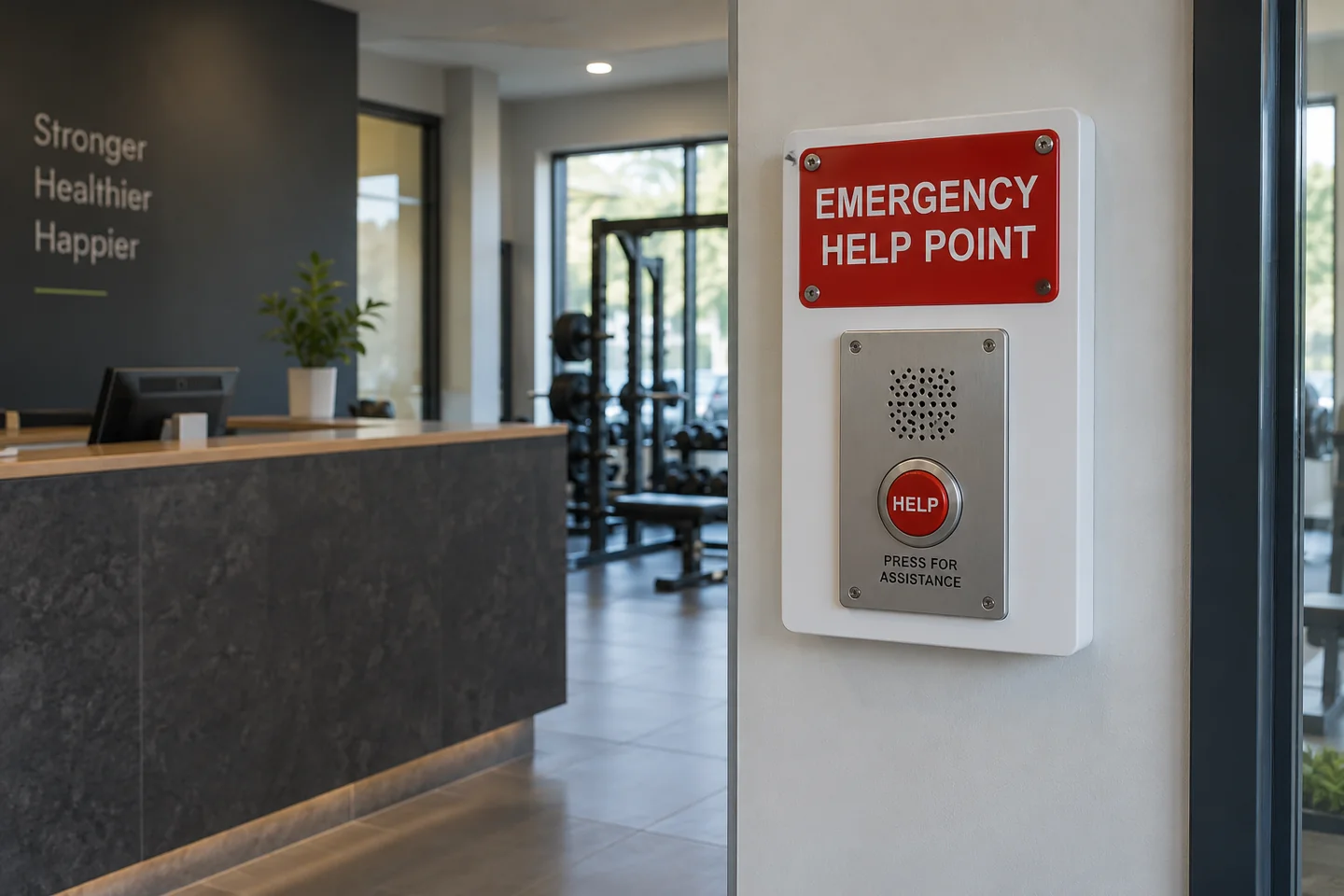
Find out how to contact help from the exercise area. Is there a staffed desk nearby, an intercom or another system? Ask the facility to show you rather than simply saying that support is available. Learn the location of exits and follow the building's emergency guidance. Do not wait until you need assistance to discover which door or button serves which purpose.
Check the access and departure process. Some buildings use a different entrance after reception closes or restrict certain facilities outside staffed hours. Make sure you can leave through the normal permitted route and understand what to do if your access method fails. A phone battery or unfamiliar app should not be your only piece of preparation.
Ask how temporary changes are communicated. An entrance fault, a closed changing area or a staff absence may alter the usual arrangement. Check the facility's update channel before an unfamiliar late visit, and keep the ordinary contact details somewhere accessible. This is particularly useful in a large leisure complex, where the gym and the rest of the building may operate on different schedules.
Keep the session within what you know
Use equipment you have been taught to operate. An empty room may make it tempting to explore a machine that is normally busy, but the absence of other users does not supply instruction. Book an introduction during a staffed period if you want to learn something new.
Ask the professional guiding your training whether any planned activity requires assistance or a different arrangement. Do not improvise a spotting setup or rely on a stranger being available at the right moment. A plan should suit the actual support present, not the support you hope might appear.
Check the equipment before using it in the way you have been shown. If something appears damaged or behaves unexpectedly, leave it alone and report it through the facility's process. Being the only person nearby is not a reason to attempt a repair or test a fault yourself.
Keep communication available without distraction
Store a phone where permitted and where you can retrieve it when needed, but do not place it in a moving mechanism or carry it awkwardly while handling equipment. If headphones prevent you hearing announcements or someone speaking nearby, adjust them or remove them. The room still needs some of your attention.
If it helps your arrangements, tell a friend or household member when you expect to be back. That can be an ordinary part of planning a late visit, but it does not replace the facility's support systems. Avoid treating a distant person's availability as a substitute for appropriate on-site procedures.
Know the difference between a routine equipment question and a situation needing immediate help. The gym can explain its emergency process, while urgent health concerns require the appropriate local emergency service rather than a message left for a trainer. Do not assume someone is watching an unstaffed space simply because cameras are visible.
Attending on your own allows you to arrive and leave around your schedule, but it can also remove a familiar source of small reminders. Keep your entry details, equipment notes and essential belongings organised. A short note about a machine setting is more reliable than trying to remember what a friend usually adjusts for you.
If you feel uncertain about the building, begin with a staffed visit and learn the route. You can decide later whether less staffed periods suit you. There is no requirement to become comfortable with every opening hour simply because the membership includes it.
After the visit, notice what information was missing. Perhaps you could not locate a help point from one area, or an exit sign led to a door whose procedure you did not understand. Ask staff before returning at the same time. These observations can improve the next visit without turning an ordinary gym trip into a complicated ritual.
The useful standard is simple: you know the room, can operate the equipment you intend to use and understand how to get help. If one of those is absent, choose a time or arrangement that provides it. Independence grows through familiarity and clear support, not through avoiding reasonable questions.