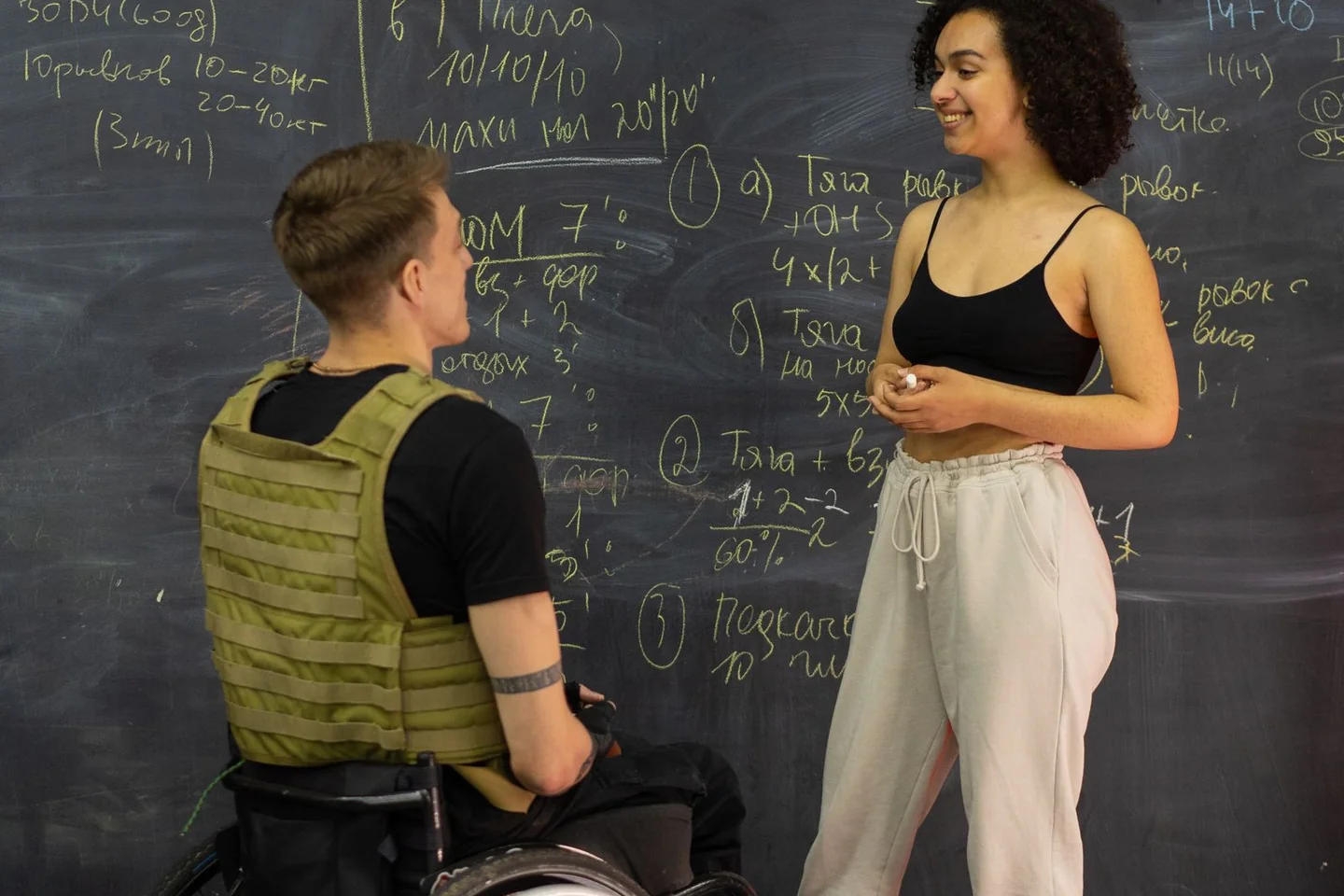
Begin with the task behind the goal
'Get fitter' gives a trainer a direction, but not much detail about the help you want. Explain a situation: you want to understand the resistance machines, feel less lost when entering the gym or learn how to follow a plan independently. A concrete example gives the conversation somewhere to begin.
You do not need a numerical target before seeking instruction. A learning goal can be specific without being a test result. For example, wanting to set up three familiar machines without guessing is different from wanting to learn every exercise in the room. The trainer can help refine the goal, but should first understand what matters to you.
Mention constraints alongside ambitions. Available time, travel, equipment access and preferred communication style affect what support is useful. Saying you can attend twice a month is more helpful than agreeing to weekly appointments that will be difficult to keep. The consultation is a place to describe real conditions, not an idealised version of your schedule.
Explain what you do not want
If you are not seeking weight-focused coaching, say so. If you want instruction without competition, filming or frequent messages, include those preferences. They help distinguish between services that otherwise look similar on a booking page.
Ask the trainer to explain how their proposed work connects to your stated aim. You do not need to challenge every choice, but you should be able to understand the broad connection. If the conversation immediately moves toward a goal you did not mention, pause and clarify whether they have understood you.
Leave room for the goal to change as you learn. You may discover that your first concern was mostly unfamiliarity with equipment, or that a different skill needs more attention. Agree on a point to review the arrangement rather than treating the initial wording as a permanent contract with yourself.
End with an understanding of what the next appointment will cover. 'We will introduce the machines in this area and practise their adjustments' is easier to prepare for than 'we will work on confidence'. The larger aim can remain broad while the immediate work becomes concrete.
After a few sessions, return to the original situation. Is entering the room easier? Can you explain what you are doing? Which question remains unresolved? These observations give the trainer feedback without requiring you to turn every aspect of learning into a number. A useful goal conversation continues to guide decisions rather than disappearing once a package has been sold.