Take your ordinary week with you
A gym tour is easier to evaluate when you have a likely visit in mind. Imagine arriving after work with a bag, changing, asking a question on the gym floor and leaving in time for the journey home. Walk through that sequence rather than trying to admire or dismiss every facility in the building. A swimming pool may look appealing, but it does not answer whether the equipment and support you need are available at your usual hour.
If possible, arrange the tour near the time you expect to attend. Notice the entrance queue, changing-room traffic and space around the equipment. A quiet midday tour can still be useful, but ask how the same areas change later. An attendance figure does not tell you which part of the room becomes crowded.
Try the journey realistically. Check the route from public transport or parking, including how it feels on the way back. Ask which entrance is used outside reception hours. A convenient-looking map location can involve a slow walk through a large complex, and those extra minutes affect whether the gym fits between other commitments.
Look at support before the equipment count
Ask who is available to introduce unfamiliar machines and how to book that help. Is an induction included, optional or separately charged? Does it cover a few chosen machines or the whole facility? An enormous equipment range is less useful if you cannot find a way to learn the stations you intend to use.
Distinguish staffed opening hours from member access hours. Find out where staff are based and how members request assistance on the floor. If you expect to attend early or late, ask about the support arrangements at those times specifically. Do not infer them from the presence of a front desk during the tour.
Look at the clarity of ordinary information. Are machines identified, damaged items marked and cleaning supplies easy to locate? These observations do not amount to a technical inspection, but they show whether basic questions can be answered without a search. Ask about anything that seems unclear rather than trying to diagnose equipment condition yourself.
Test the facilities you will use
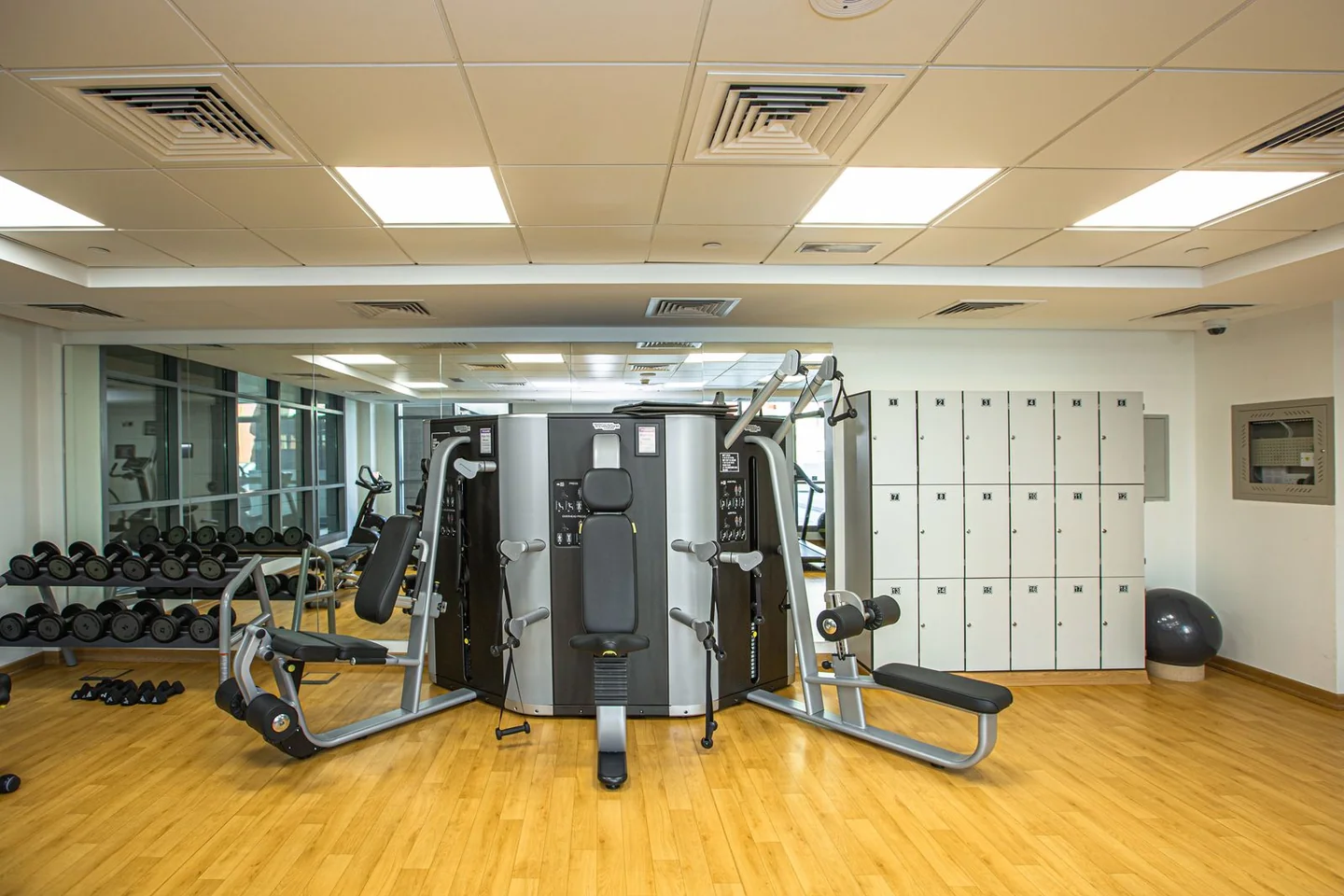
Visit the lockers and changing areas if the tour permits it. Ask what lock system is used, whether a towel is needed and which facilities remain open throughout gym access hours. Check the route between changing and exercise areas. If you need an accessible changing room, ask to see the actual arrangement rather than accepting a general statement that the building is accessible.
Consider your own storage and privacy preferences. Are there individual changing spaces? Can the bag you bring fit in a locker? Where can a wet coat go? These are small details, but they recur on every visit. It is reasonable to ask about them before making a membership decision.
If classes interest you, ask how booking works and whether popular sessions are usually available at your preferred time. Find out about arrival rules, waiting lists and any separate cost. A long timetable is not the same as a place in the class you can attend. Avoid paying for a feature whose actual booking arrangement remains vague.
Where sensory conditions or communication needs matter, describe the specific issue. Music volume, lighting, announcements and the availability of a quieter conversation can differ across rooms. A personal visit helps you judge those conditions more accurately than a promotional photograph.
If you will regularly go straight to another appointment, consider the exit routine as carefully as the exercise area. Is there somewhere to sit while putting on shoes? Can you refill a bottle without returning through the entry gate? Where does a wet umbrella go? These details rarely appear in a facility list, yet they can determine whether a visit fits neatly into the rest of the day. There is no need to inspect every corner; follow the route your own belongings and timetable will require.
Take the offer away from the tour
Ask for the membership terms and full price in writing. Include joining fees, minimum commitment, notice requirements, access restrictions and any services discussed as extras. The tour may create a positive impression without settling the details of the agreement. You can read them later and return with questions.
Write down two or three observations as soon as you leave: the journey was manageable, staff explained the induction clearly or the changing area was difficult to use. Separate those observations from assumptions such as 'I would probably use the pool'. This makes comparing another facility easier without turning the decision into a contest over which has the most features.
If a day pass or introductory visit is available on suitable terms, it may answer the remaining questions about using the room. You are choosing a place for repeated ordinary visits. A gym that fits those visits is more relevant than one that looks impressive only while someone is showing you around.